
Chronic back and neck pain
Sustained pressure on the deeper spinal and paraspinal muscles can reduce the chronic tension that contributes to persistent back and neck pain, particularly for people who sit for long periods.
Kew · Gunnersbury Park · Moorgate
Persistent muscle tension, trigger points, or pain that does not seem to shift on its own? Deep tissue massage targets the deeper layers of muscle and connective tissue to release tension, reduce pain, and restore normal movement. Treatment is delivered by qualified soft tissue therapists across our three London clinics, and adapted to your specific needs.

Indications
Sustained pressure on the deeper spinal and paraspinal muscles can reduce the chronic tension that contributes to persistent back and neck pain, particularly for people who sit for long periods.
Deep tissue work directly targets the areas where muscle fibres have become adherent or knotted, releasing tension and restoring normal tissue function.
Prolonged sitting and screen use creates chronic tension through the upper back, neck, and shoulders. Deep tissue massage is highly effective at addressing these patterns.
Following a muscle tear or strain, scar tissue can form in a disorganised way that restricts movement and creates pain. Deep tissue techniques help to remodel scar tissue as part of injury rehabilitation.
The hip flexors, glutes, quads, hamstrings, and calves are common areas of chronic tightness, whether from sport, exercise, or prolonged sitting. Deep tissue work addresses these areas effectively.
Physical tension and stress are closely linked. Deep tissue massage addresses the muscular component of stress-related tension, particularly through the shoulders, neck, and upper back.
Your session
Your therapist will ask about the areas you would like to focus on, any current pain or injuries, and your activity level, so treatment is targeted to your needs.
Your therapist works through the superficial muscle layers before applying deeper, sustained pressure to the target areas. Some discomfort is normal in areas of significant tension. It should feel productive rather than painful, and pressure is adjusted throughout based on your feedback.
Some tenderness for 24 to 48 hours is normal, particularly after deeper work or your first session. Drink plenty of water and allow your body time to recover before intense exercise.
Comparison
Deep tissue is a technique. Sports massage is a treatment approach. Not sure which is best? Our therapists will guide you during your first session.
Deep tissue refers to the application of slow, sustained pressure to access the deeper layers of muscle and connective tissue. Choose it if you are dealing with chronic tension, stiffness, back pain, or general muscle pain that is not related to a specific sport.
Sports massage combines deep tissue work, trigger point therapy, myofascial release, and stretching to support performance, recovery, and injury prevention. Choose it if you are training regularly, recovering from intense exercise, or want treatment tailored to the demands of your sport.
View Sports massageFees
Deep tissue and sports massage share the same price list.
View full price listBlock bookings save 10% on 4 sessions and 15% on 8. Moorgate, Central London: £65 for 30 minutes, £79 for 45 minutes and £99 for 60 minutes.
Locations
Sessions are clinically focused rather than spa-style, and delivered within a wider clinical team.
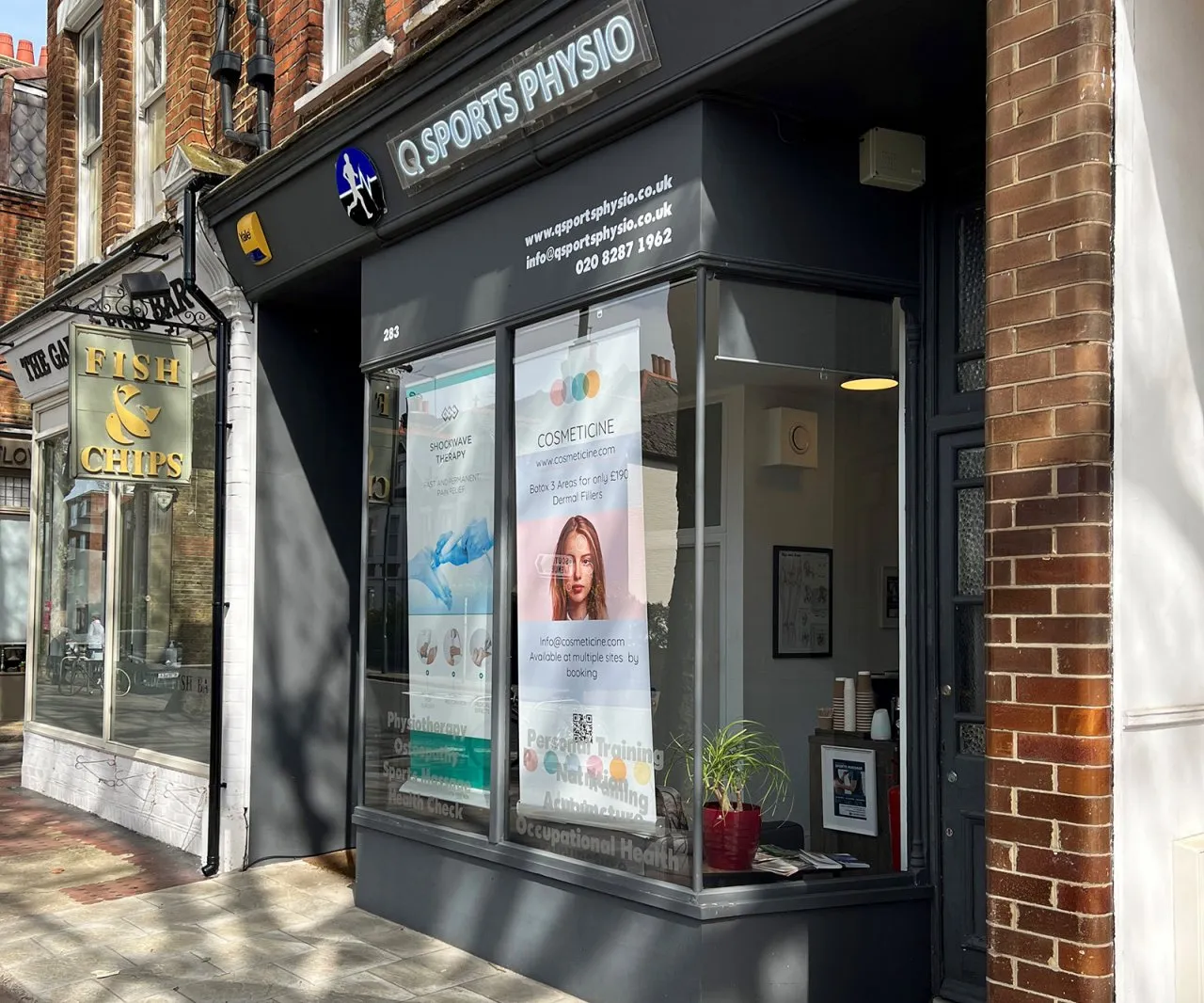
Richmond
Deep tissue work on the deeper muscle layers to release chronic tightness and long-standing tension, with physiotherapy available in the same clinic.
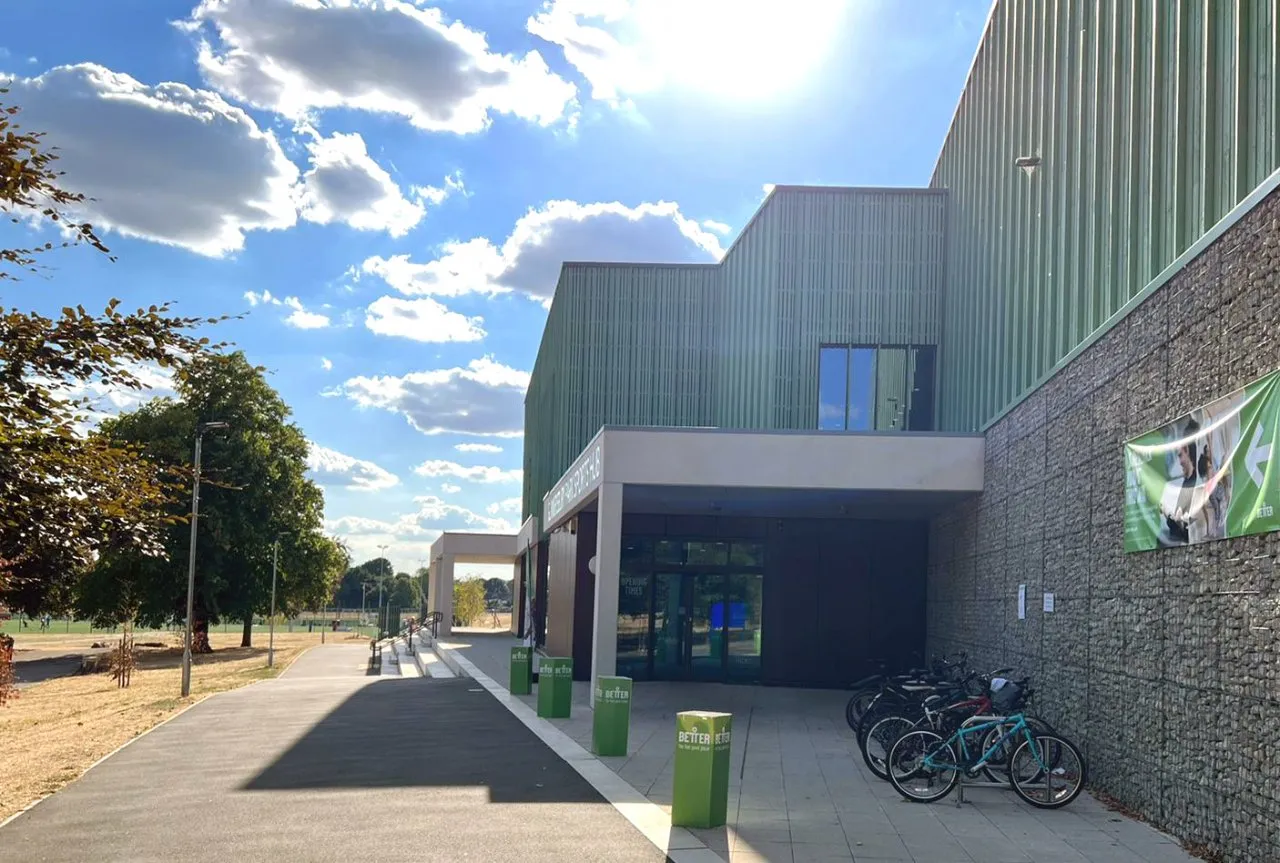
Ealing
Deep tissue massage inside Gunnersbury Park Sports Hub, useful during heavy training blocks.
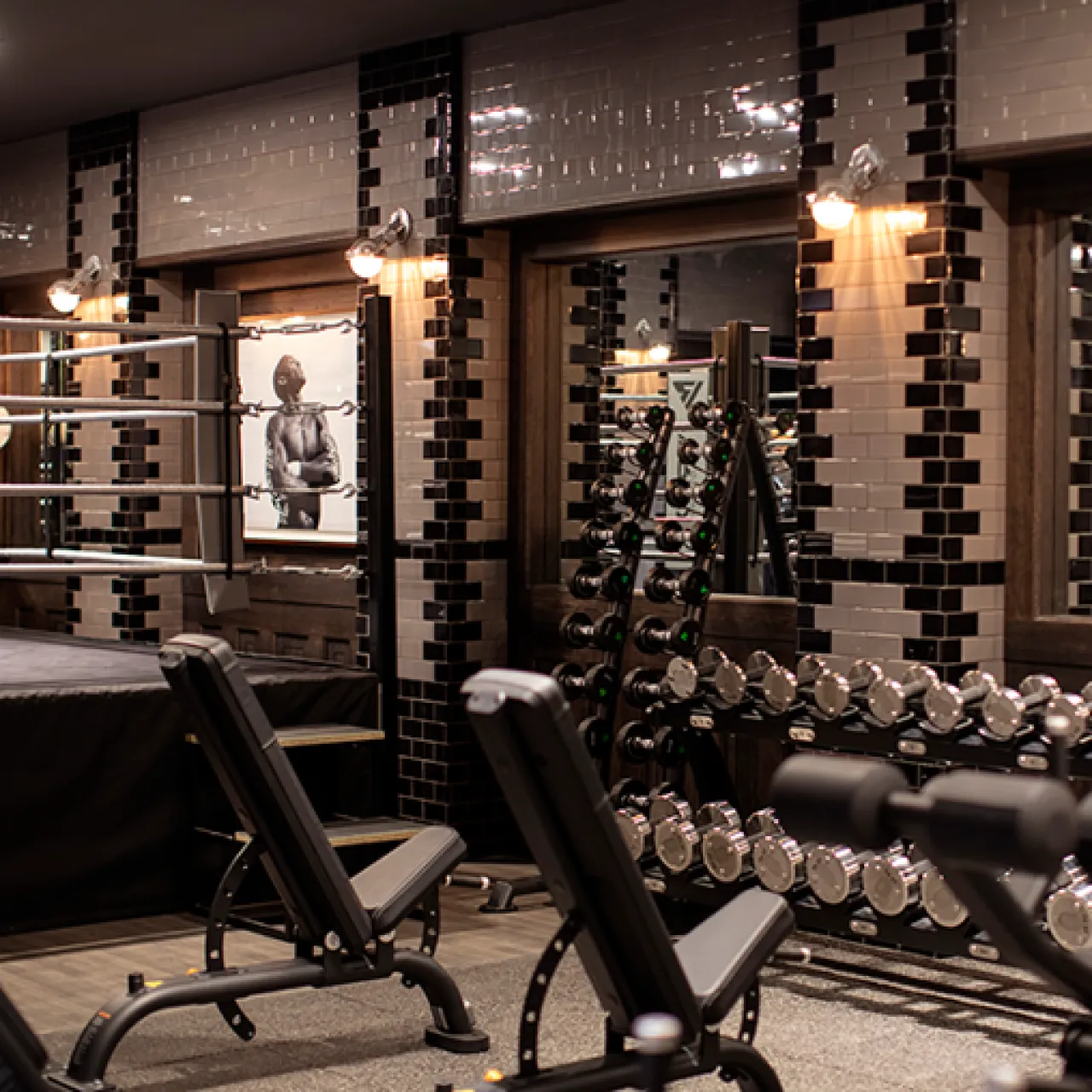
City of London
Slower, firmer work on the deeper muscle layers for desk-related tightness, with 45-minute sessions available here.
Why us
Clinically qualified therapists. All deep tissue massage is delivered by qualified soft tissue therapists. Sessions are clinically focused, not spa-style.
Part of a wider clinical team. If your therapist identifies something that would benefit from physiotherapy assessment, such as a joint issue, nerve involvement, or tendon problem, we can refer you directly to a physiotherapist within the same clinic.
Sport-informed, not sport-exclusive. Our therapists understand both sport and general musculoskeletal health. Whether you are an athlete, a desk worker, or somewhere in between, treatment is tailored to your body and your goals.
Frequently asked questions
Deep tissue massage uses slower, firmer techniques to work on deeper muscle layers and areas of persistent tightness. The treatment is adapted to your symptoms and tolerance.
Deep tissue massage is available at our Kew and Moorgate clinics.