
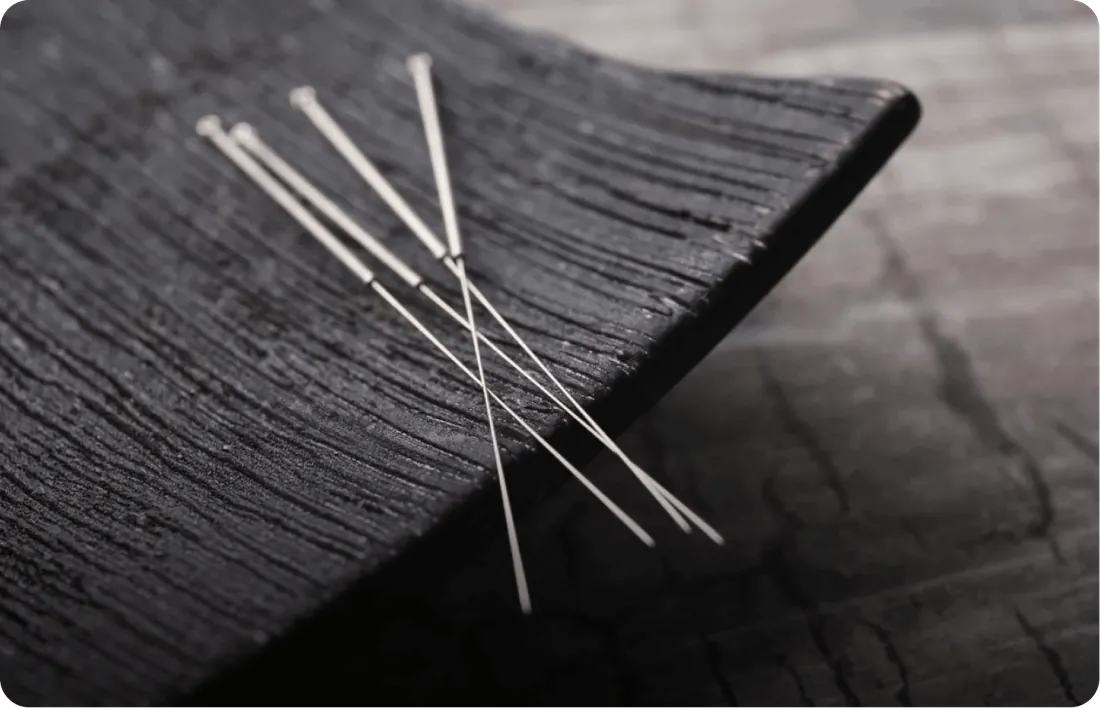
Dry needling

Dry needling in London.

Persistent muscle tightness, trigger points, or pain not responding to exercise and manual therapy alone? Dry needling and Western medical acupuncture can help reduce pain, release tension, and improve movement. These techniques are used as part of an evidence-based physiotherapy treatment plan alongside rehabilitation and exercise, never as a standalone treatment.

Dry needling
2 clinics
Kew and Gunnersbury Park
Within physio
delivered by the physiotherapist managing your plan
Chartered
physiotherapists with postgraduate needling training

The difference

Dry needling or Western medical acupuncture?

The distinction matters less than the clinical reasoning behind the treatment and choosing the right approach for your symptoms.

What is dry needling?

Dry needling targets specific myofascial trigger points within muscles. The goal is to release a tight band of muscle, reduce referred pain, and restore normal muscle function. It is primarily used for musculoskeletal conditions and is performed by physiotherapists with specialist training.
What is Western medical acupuncture?

Western medical acupuncture uses needle insertion at anatomically relevant points to stimulate the nervous system, reduce pain sensitivity, and promote a broader physiological response. It may target areas beyond the immediate site of pain, based on neuroanatomical principles.

How we use them in practice

Our physiotherapists often combine dry needling and Western medical acupuncture techniques within the same session, depending on your condition and treatment goals.

Your treatment

What to expect during dry needling treatment.

  1. Before your session

    Your physiotherapist will assess your condition and explain why dry needling or acupuncture is appropriate for you. You will be informed about what to expect and have the opportunity to ask questions. Consent is always obtained before any needles are used.

  2. During treatment

    Fine, sterile, single-use needles are inserted into the treatment area. For dry needling, you may feel a brief muscle twitch, which is a positive sign that the trigger point has been activated. For acupuncture, a mild aching or tingling sensation is common. Needles may be left in place for a few seconds, or up to 15 to 20 minutes for acupuncture.

  3. After treatment

    The treated area may feel slightly achy or tender for 12 to 24 hours, similar to post-exercise muscle soreness. This settles quickly, and you can continue with normal daily activities and light exercise after your session.

Conditions

Conditions we treat with needling.

Your physiotherapist will recommend needling only when it adds genuine value to your treatment. Not every patient needs it, and not every condition responds to it.

Muscle tightness and trigger points

Persistent tight spots in the neck, shoulders, back, glutes, or calves that are not releasing with stretching or massage alone. Dry needling directly targets these trigger points to produce an immediate release.

Neck and back pain

Muscle-related neck pain, thoracic stiffness, and lower back pain often respond well to a combination of needling and exercise. Acupuncture can also help reduce pain sensitivity in chronic conditions.

Tendinopathy

Achilles tendinopathy, tennis elbow, patellar tendinopathy, and rotator cuff issues. Needling into and around the tendon can help modulate pain and improve the tissue environment for rehabilitation.

Knee pain

Including patellofemoral pain and osteoarthritis-related knee pain. Acupuncture has a solid evidence base for pain reduction in knee osteoarthritis.

Headaches and jaw pain

Tension-type headaches and temporomandibular pain often originate from trigger points in the neck, shoulder, and jaw muscles. Dry needling these trigger points can provide significant relief.

Post-exercise soreness and recovery

Some athletes use dry needling as part of their recovery strategy, particularly during intensive training blocks, to help manage muscle fatigue and tightness.

Fees

Dry needling and acupuncture prices.

Needling is delivered within a physiotherapy or acupuncture appointment, never as a standalone session.

View full price list

Kew and Gunnersbury Park

Acupuncture initial assessment Assessment and treatment
£77.50
Acupuncture follow up appointment Follow up
£67.50
Physiotherapy follow up appointment 40 minutes, needling included where indicated
£67.50

Block bookings on physiotherapy save 10% on 5 sessions and 15% on 8.

Locations

Available at Kew and Gunnersbury Park.

Needling is delivered by the same physiotherapist managing your rehabilitation, not by a separate practitioner.

Kew

Richmond

Kew

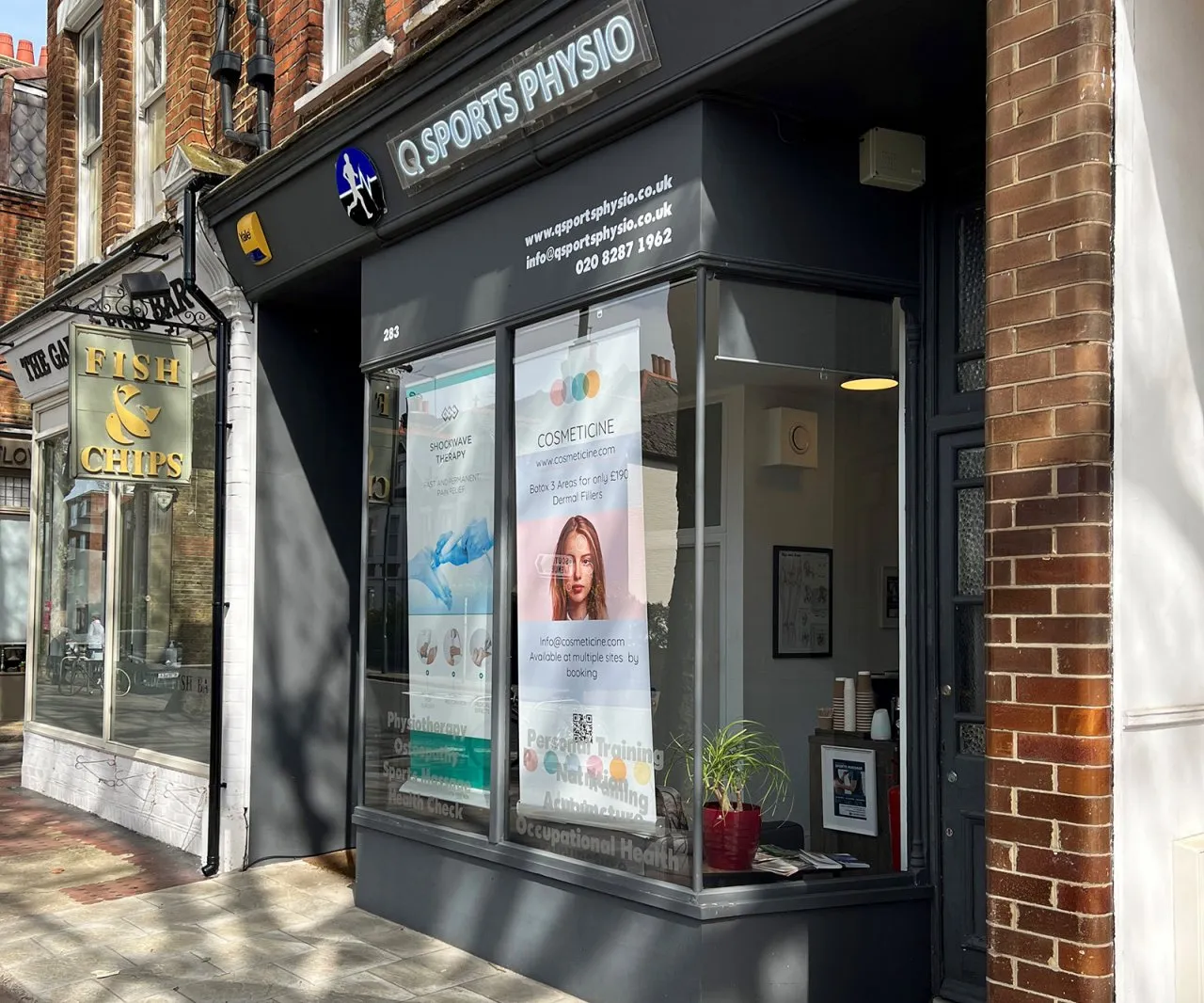
283 Sandycombe Road, Kew, Richmond TW9 3LU

A fine-needle technique that targets tight muscles and trigger points to reduce pain and restore movement, integrated into your physiotherapy plan.

Gunnersbury Park

Ealing

Gunnersbury Park

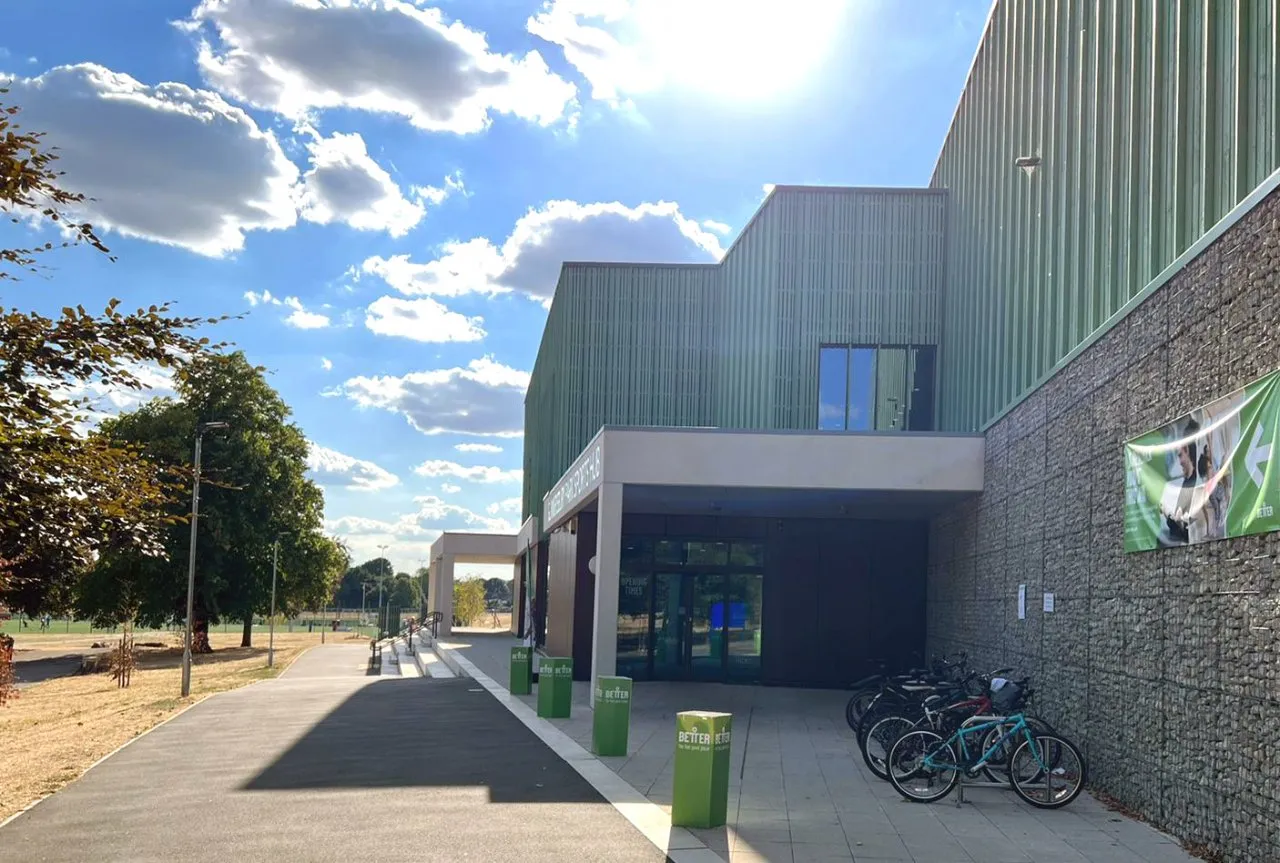
Gunnersbury Park Sports Hub, Popes Lane, London W3 8LQ

Dry needling and Western medical acupuncture within your physiotherapy appointment at Gunnersbury Park Sports Hub.

Frequently asked questions

Questions about dry needling

What is dry needling?

Dry needling uses fine needles to target tight muscles and trigger points. It may be included in a broader physiotherapy plan after assessment.

Where is dry needling available?

Dry needling is available at our Kew and Gunnersbury Park clinics.