Increased blood flow
The suction draws fresh blood into the treated tissue, helping improve local circulation. This delivers oxygen and nutrients to muscles that may be under stress from tightness, overuse, or heavy training loads.
Kew · Gunnersbury Park · Moorgate
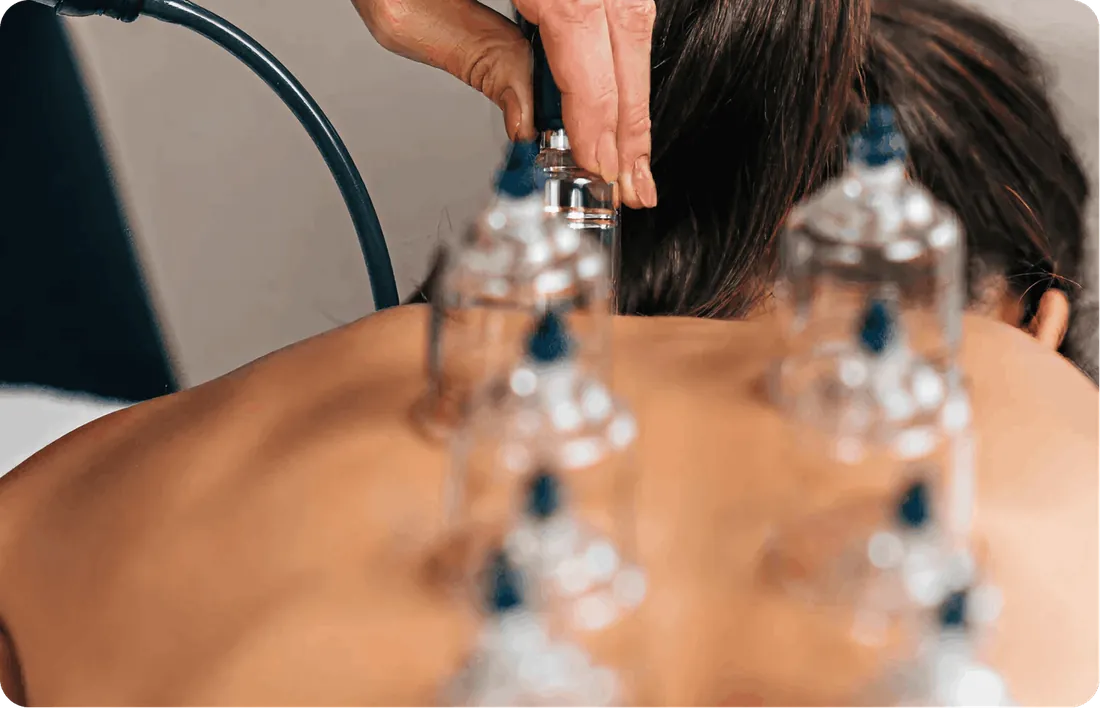
Tight muscles that are not releasing with massage alone? Cupping therapy uses targeted suction to lift and decompress soft tissue, helping improve blood flow, relieve tension, and support faster recovery between training sessions. Unlike massage, which applies pressure into the tissue, cupping gently lifts the muscle and fascia, creating space and reducing restriction in overworked areas.
Benefits
The suction draws fresh blood into the treated tissue, helping improve local circulation. This delivers oxygen and nutrients to muscles that may be under stress from tightness, overuse, or heavy training loads.
By lifting and decompressing the tissue, cupping helps release tight muscles that may not fully respond to stretching or massage alone. This can help muscles feel looser and less restricted.
Cupping helps separate layers of muscle and fascia that may have become stiff or adhered. Restoring normal tissue glide can improve flexibility, movement quality, and range of motion.
Improved circulation and reduced tissue stiffness support the body's natural recovery process. This can be particularly beneficial during intensive training periods or after high physical loads.
The sensory stimulus created by the suction may help reduce local pain sensitivity. Many people experience short-term relief that makes movement and rehabilitation exercises more comfortable.
Cupping can help release tight or restricted fascia, the connective tissue surrounding muscles. This may reduce feelings of stiffness, pulling, or tension across larger muscle groups.
Your session
Your therapist will assess the area and explain why cupping is appropriate for your condition. The skin in the treatment area should be clean and free of oils or lotions.
Cups are placed on the skin and suction is created, either by squeezing a silicone cup or using a pump mechanism. You will feel a pulling and tightening sensation as the tissue lifts into the cup, usually described as firm but not painful. Cups are typically left in place for 5 to 10 minutes, or moved across the skin in a gliding technique.
Cupping leaves circular marks on the skin. These are not bruises, but the result of blood being drawn to the surface. The marks are painless and typically fade within 3 to 7 days. You can continue with normal daily activities and light training after a session.
Indications
Cupping is frequently used for muscle-related lower back and thoracic pain. The decompressive effect can help reduce tension through the surrounding muscles and improve spinal mobility.
Persistent tightness through the upper trapezius, levator scapulae, and surrounding shoulder muscles, common in both desk workers and athletes, often responds well to cupping therapy.
Muscles that remain tight despite stretching or foam rolling can benefit from the decompressive effect of cupping, particularly during periods of heavy training.
Overworked quads and glutes often develop tissue stiffness and restriction. Cupping may help improve tissue mobility and reduce post-training tightness.
Cupping may help with broader areas of muscle ache and tissue restriction where the fascia, the connective tissue surrounding muscles, has become tight or restricted.
Many athletes use cupping as part of their recovery routine to help manage muscle fatigue, reduce stiffness, and maintain tissue quality during intensive training blocks or competition season.
Fees
Cupping is priced per session and differs between our Richmond and Central London clinics.
View full price listLocations
Cupping is delivered within a clinical assessment, not as an isolated spa-style treatment.
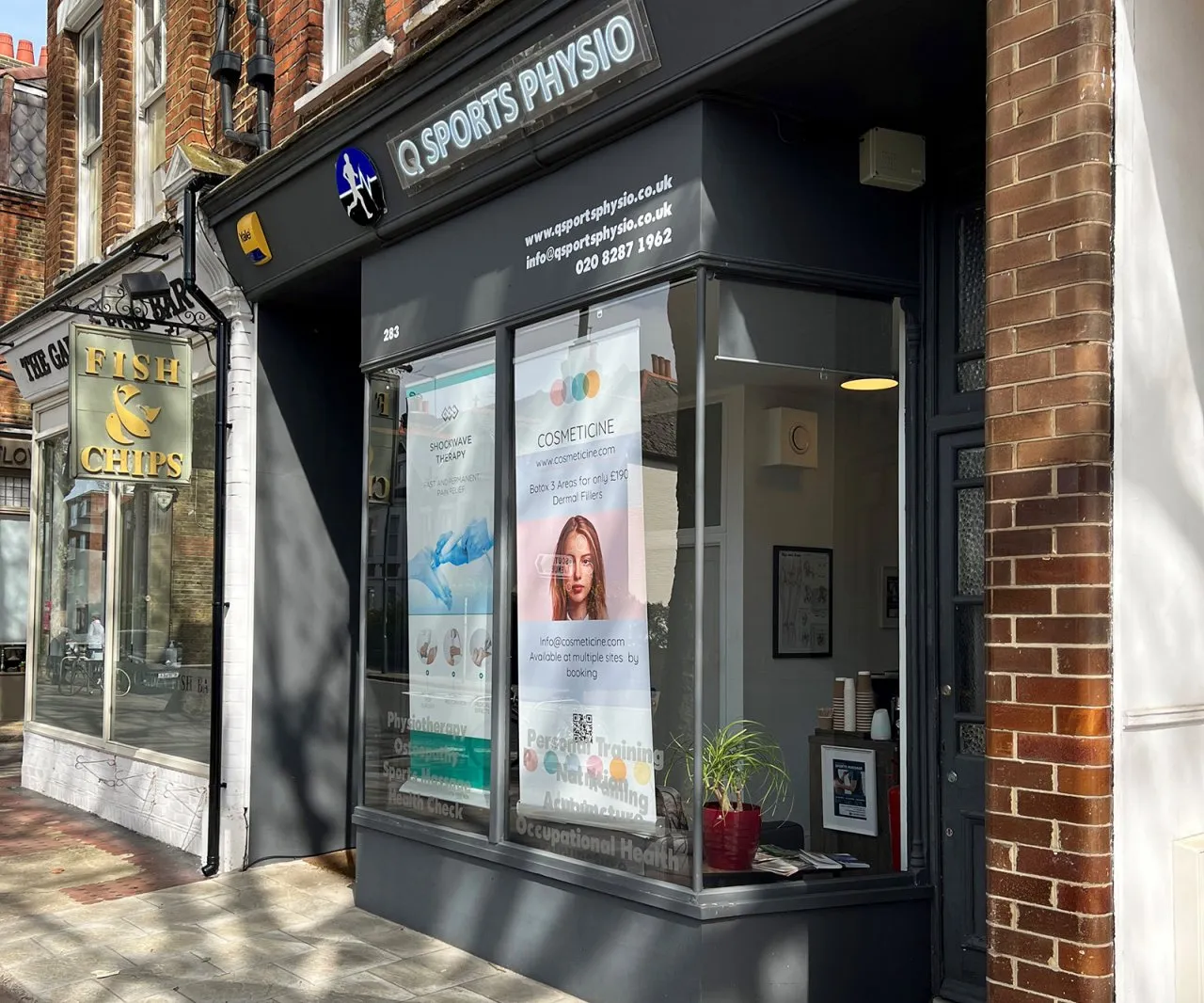
Richmond
Suction-based therapy to improve circulation and ease muscle tension, applied alongside your physiotherapy and exercise plan.
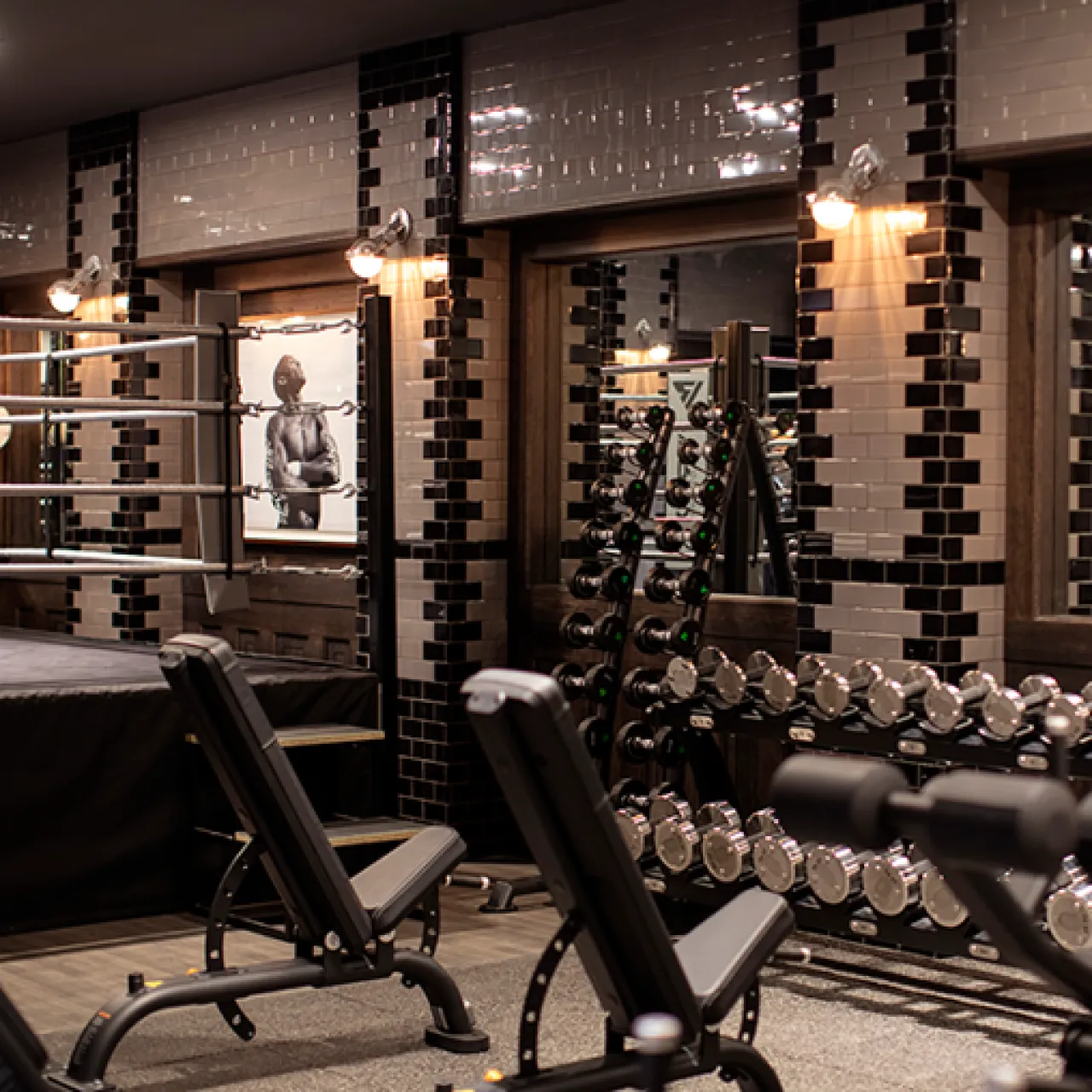
City of London
Suction-based therapy for City professionals, used to improve circulation, reduce muscle tension and support recovery.
Frequently asked questions
Dry cupping uses suction cups on the skin and may be used within a treatment plan to address muscular tension and support recovery.
Cupping can leave temporary circular marks on the skin. Your practitioner will explain the treatment, expected effects and aftercare before starting.